
Pre-Winter Sale Limited Time 75% Discount Offer - Ends in 0d 00h 00m 00s - Coupon code = simple75
Pass the IICRC Restoration WRT Questions and answers with Dumpstech
Exam WRT Premium Access
View all detail and faqs for the WRT exam
What two tools are used to properly disengage most stretched-in carpet?
What type of material is most likely to be affected by secondary damage caused by high humidity?
In a home with a Class 2 intrusion, where the floor is 1,300 square feet with an 8-foot ceiling, what is the initial recommended Pints Per Day (PPD) if using LGR dehumidifiers?
SCENARIO: Use the diagram and information below to answer this question.
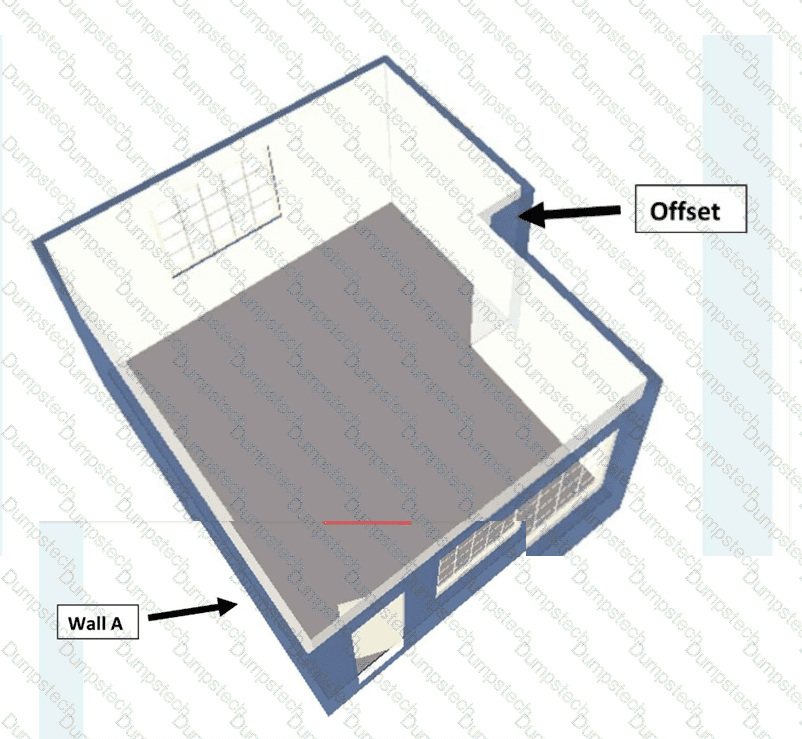
. The living room measures 20 feet x 16 feet, with an offset measuring 10 feet x 2 feet.
. The ceiling height is 8 feet.
. The entire floor area is wet, and moisture has been detected as high as 21 inches on all walls except Wall A.
. Water escaped from a broken pipe located behind Wall A. The entire area of wall A is wet.
. The ceiling is not affected.
Important information:
. The total square footage of the floor, including the offset, is 340 square feet
. The total square footage of Wall A after deducting the bottom 2 feet is 120 square feet
(USE THE SCENARIO) What is the total number of airmovers a restorer should install?
What may a restorer consider when the outside humidity ratio is significantly lower than indoors, and the temperature is equal to or higher than indoors?
If outdoor conditions are favorable, what can be reduced with ventilation?
Where should a restorer inspect in a water-damaged structure?
When considering the use of outdoor air, which of the following conditions is the best?
After physically removing bulk water, what has the most significant influence on the time required to dry wet materials?
How shall a restorer dispose of wastewater?
