
Pre-Winter Sale Limited Time 75% Discount Offer - Ends in 0d 00h 00m 00s - Coupon code = simple75
Pass the CIPS Level 4 Diploma in Procurement and Supply L4M5 Questions and answers with Dumpstech
A buyer is preparing for an upcoming negotiation with a large supplier on a contract renewal price. The buyer has undertaken some analysis and is concerned that changes in the organisation’s macro-environment over the last year will result in a price increase. The buyer’s analysis has identified changes in which of the following?
A buyer continually states, during a negotiation, that budget constraints are impacting their ability to make concessions. What type of tactic are they using?
Jayden works as a procurement manager for a large IT organisation. They are currently in their third round of negotiations with an increasingly frustrated software solutions provider. Ben is representing the supplier. Jayden has made eye contact in the latestmeeting to confirm his understanding of each of Ben's points. What communication technique is Jayden demonstrating?
Which of the following can be prepared before negotiation to achieve an agreement that benefits both parties?
Zone of potential agreement (ZOPA)
Attendee list
Walk-away point
Venue for the talks
Macroeconomics can have an impact on commercial negotiations. Is this statement correct?
Which of the following are tactics of distributive bargaining?
Withholding information that may open up common ground
Coercing the other party to accept your position
Finding common ground between parties
Being open about all your common needs
Which of the following would cause a demand curve for a good to be price inelastic?
Which of the following is categorised as fixed cost?
Effective listening is important in integrative negotiations. Is this statement correct?
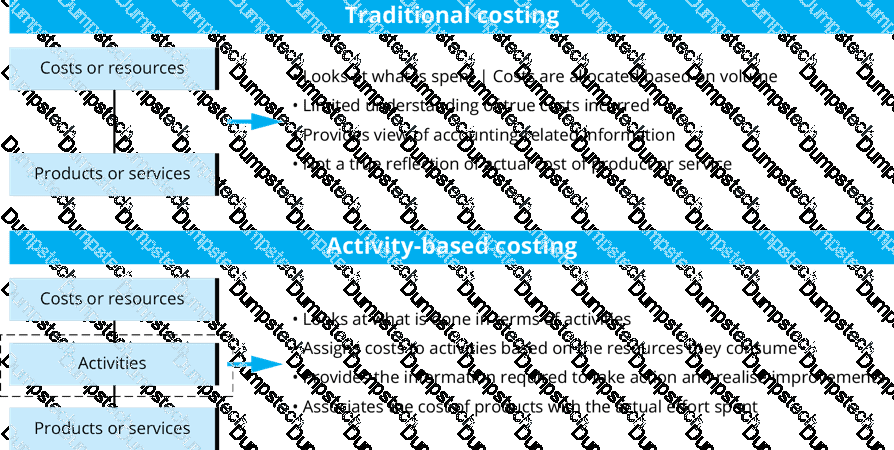
Which of the following are typical characteristics of activity-based costing (ABC) method? Select TWO that apply.
 Graphical user interface, text, chat or text message, website Description automatically generated