
Black Friday VIP Hour Limited Time 75% Discount Offer - Ends in 0d 00h 00m 00s - Coupon code = simple75
Pass the Huawei HCIE-Datacom H35-831 Questions and answers with Dumpstech
Exam H35-831 Premium Access
View all detail and faqs for the H35-831 exam
Which of the following statements are correct regarding the reliability of MVPNv4 over BIERv6?
Select all that apply.
In the network shown, RT4 and RT5 function as ASBRs and import IS-IS routes into OSPF. Only OSPF is used for interworking between RT4 and RT5. The link costs are shown in the figure. The key configurations of RT4 and RT5 are as follows:
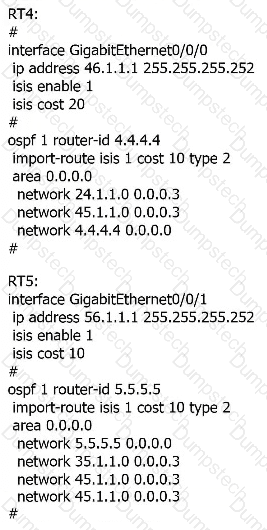
Exhibit 36.1 — Original topology/configuration figure
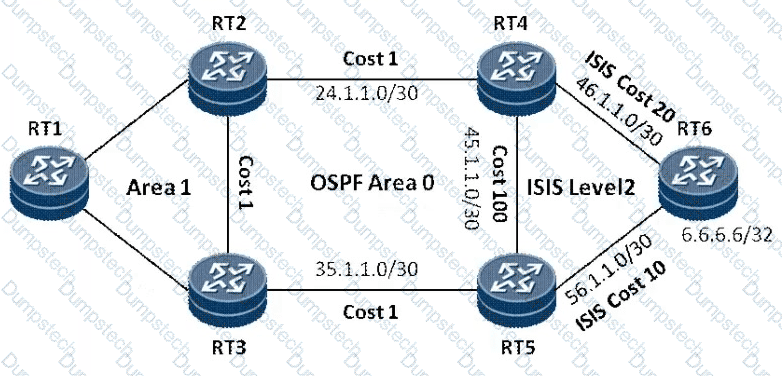
Exhibit 36.2 — Original topology/configuration figure
In the ONAP framework, which of the following closed-loop automation processes is used to respond to changing network and service conditions?
OSPF NSR is implemented by synchronizing protocol running data from the active main control board to the standby main control board in real time. Which of the following data can be synchronized from the active main control board to the standby main control board in real time?
Select all that apply.
On the HoVPN illustrated, which of the following statements about the network are correct?
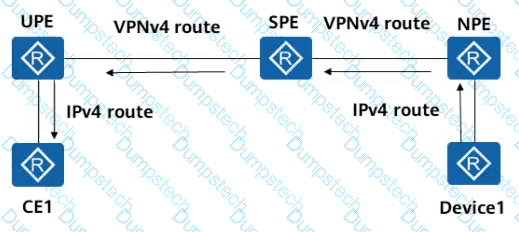
Exhibit 49.1 — Original topology/configuration figure
Select all that apply.
In the inter-AS VPN Option B network shown, Site1 and Site2 can communicate. CE1 has a route to 10.1.1.1/24, and CE2 has learned that route. PE1, ASBR1, and ASBR2 assign VPN labels 15360, 15361, and 15362, respectively, to the route. In addition, PE1 and ASBR2 assign public-network label 3 to their own loopback interface addresses. For packets sent from CE2 to 10.1.1.1, which label pushed by PE2 is the innermost label?
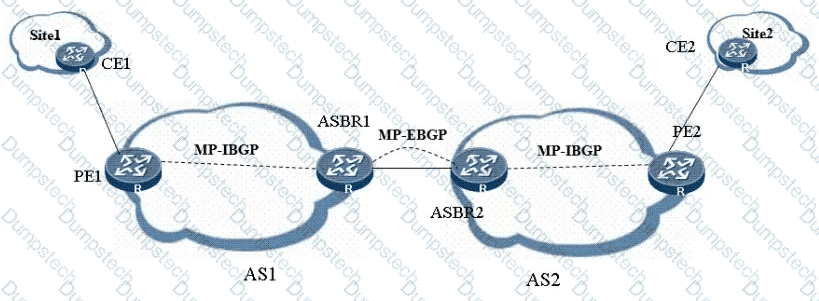
Exhibit 46.1 — Original topology/configuration figure
A device receives two BGP routes for the same prefix from two peers, with one route received from each peer. One route has next hop NH1, whereas the other has next hop NH2. All other attributes of the two routes are identical. NH1 recursively resolves to two direct next hops, A and B, and NH2 likewise recursively resolves to two direct next hops, C and D. If BGP is configured with the maximum load-balancing 2 command and the device supports at most six load-balancing routes, how many load-balancing routes for the relevant prefix are present in the FIB?
iFIT is an in-band flow-measurement technology that delivers highly precise performance measurements based on real traffic. Which functions can it provide when used with telemetry, a second-level data-collection technology, and NCE, an integrated management and control platform?
Select all that apply.
